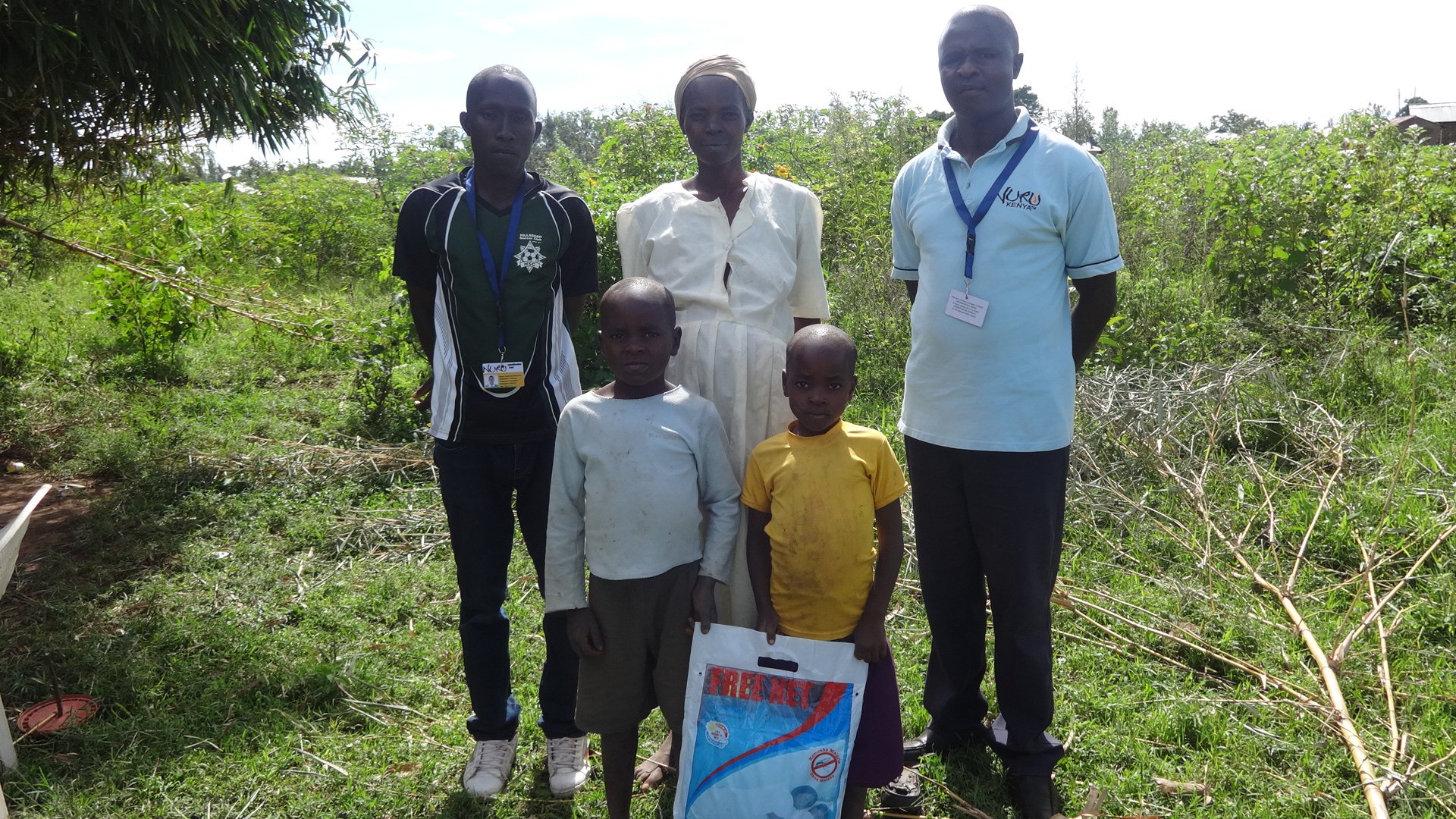
Nuru International Mock Homevisits

The past few weeks have been some busy ones with many discoveries and preparations for reinstating homevisits and scaling to two new divisions later this year.

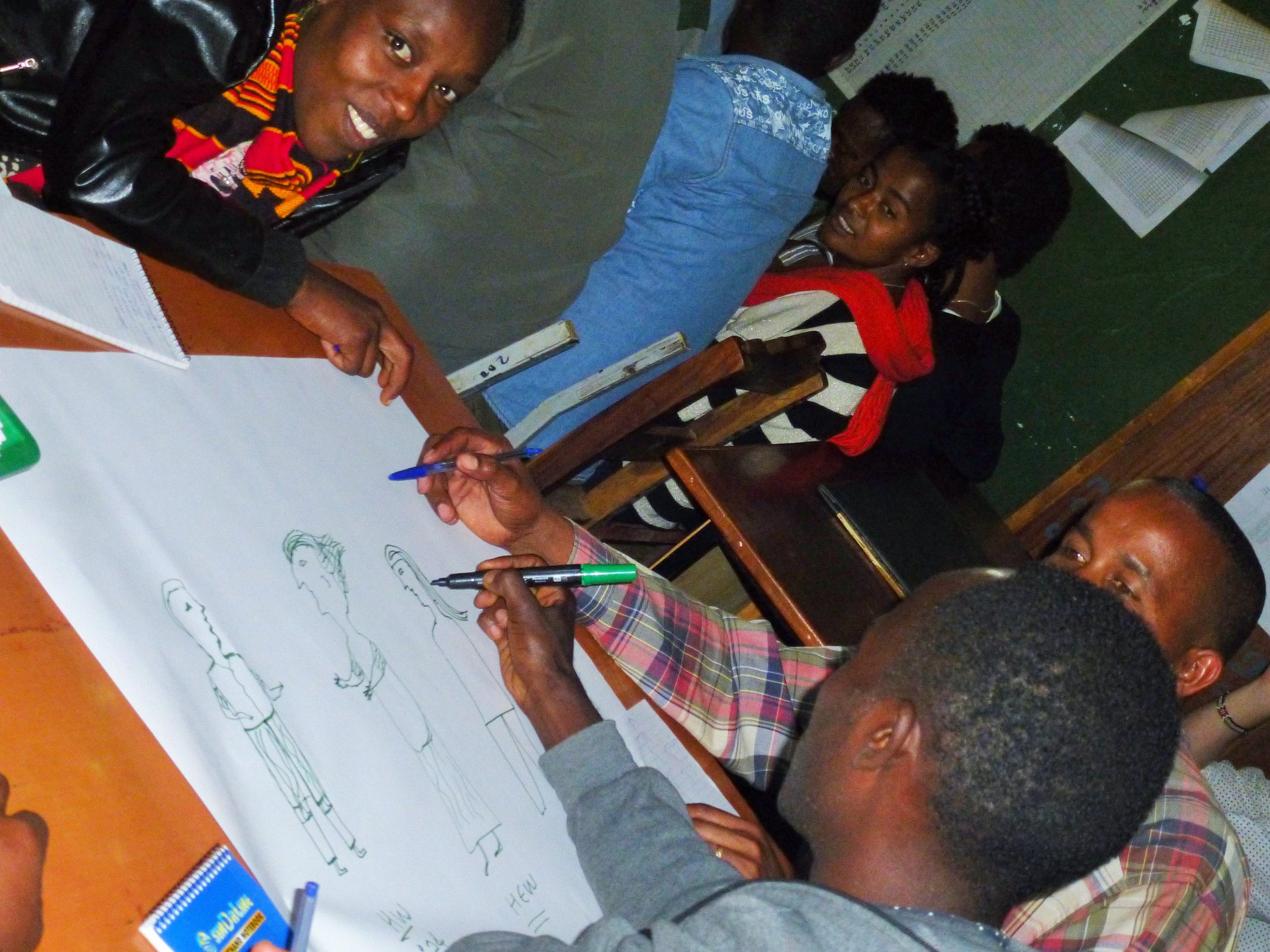
I’ve been working hard with Matt Lee and Lindsay Cope to make the necessary changes and additions to our programs, which we will blog about in in more detail in our next entry. For now I would like to walk you through the recent vetting of our Field Officers. Continue Reading…

Posted from Nyanza, Kenya.

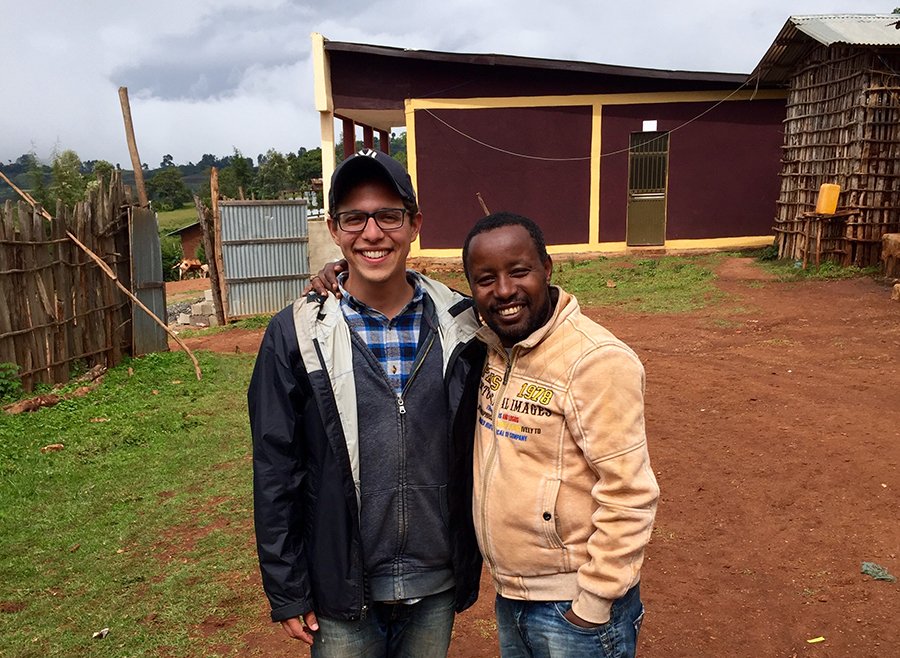
Living Goods's Nsangi Branch in Uganda

It is Wednesday, November 9 in Kampala, Uganda. The morning is bright and it seems like it might be a rain-free day in a month that seems to be excessively, even dangerously, wet. It is a typical day for Betty Kyazike, the acclaimed Tula Branch Manager for Living Goods. She prepares for the ‘In Service Training’ for her Community Health Promoters (CHPs). Today’s topic is about how to effectively sell commodities. The training will be followed by a ‘restocking, ’ where she will open her storage closet and sell health and lifestyle items at a wholesale price to CHPs. Think mobile pharmacy or the ‘Avon ladies’ for health. The majority of CHPs go door-to-door, some create a home store, and others mobilize for larger community meetings to teach and sell their products.

Living Goods, the creation of Chuck Slaughter, focuses on community-based health promotion and economic development for poor women in Uganda. Despite its youth, Living Goods has already built a platform for success and has caught the attention of donors, the Uganda Ministry of Health, and several other NGOs, including Nuru. Our strong interest landed me in an externship position to learn more about the internal structure and operations of Living Goods and lend a helping hand where needed.

In a nutshell, Living Goods starts a new ‘branch’ by using local leaders to recruit women to interview for a Community Health Promoter (CHP) position in their government determined ‘zone.’  Each woman takes out a loan in the form of uniforms, commodities, and fixtures to promote sales. She undergoes extensive training on healthcare and sales strategy, and then sets off to build her own business with the continual support of the organization. CHPs can diagnose symptoms for malaria, diarrhea, and pneumonia, then treat the diseases with the appropriate drugs. Their commodity repertoire can include upwards of eighty products ranging from soap to sanitary pads to solar power lanterns with phone charging capabilities.

Betty is an energetic, animated woman who has a keen understanding of her community, how to be an effective sales woman, and how to motivate her branch.  For this reason I took an immediate liking to her, and she came to be friendly toward me when she found out I used to work near the village she grew up in south of the capitol. Today Betty was asked to step away from her usual duties to accompany me on an excursion through her district. Our task was to interview community members to learn about brand recognition, CHP reach and client satisfaction. We found that households that are visited by a Living Goods CHP, or locally known as a ‘musawo,’ were quick to praise the organization and their representative. They often noted their thankfulness for having been treated quickly and effectively. Those who had not heard of Living Goods were eager to be put in touch with their musawo after learning that Living Goods‘s drugs are cheaper than other retailers, that they would not have to pay for transportation to a clinic and that they would have a treatment option when one is too weak to make the long haul to see a health professional.

The CHPs’ success is largely due to the trainings and refreshers they undergo, their ability to make money, and the motivation to help friends and family prevent diseases that often leads to a loss of life.

While in the field with Betty and several of her colleagues, I made note of the similarities and differences between Living Goods and Nuru’s operations.

Living Goods faces several of the same challenges we do: homevisits not always being carried out as planned, health worker dropouts, and the struggle to find balance between not too much and too little information during trainings.  I can say that due to a solid monitoring and evaluation (M&E) system they are quick to identify and address these issues, and we can learn a lot from their adjustments.

Some of the key differences between Living Goods and Nuru are: Nuru is focused on a holistic approach in a more rural setting where cash poverty and illiteracy are extensive. Living Goods thrives with strong set of systems and trainings in an urban, peri-urban, and somewhat rural settings using a business-focused loan approach.  Regardless of the differences, we still have so much to learn from each other.

I had the good fortune to spend time with a few of the Western staff: Joe Speicher, Ellen Vorder Bruegge, and Armando Huerta who have helped catapult Chuck Slaughter’s vision into reality by creating the trainings and systems that exist today.  Among many, the areas in the Healthcare Program I am looking forward to critically examining and improving as a result of my time spent in Uganda is our use of mobile technology to corroborate what our CHWs are doing at the household level, and also to both inspire and monitor them; our reference and training materials for staff and CHWs; our record keeping procedures to improve case management and monitoring; and of course, our sales system.

Living Goods runs a tight ship and seems to have a great handle on what is happening in the field with a balance of proven business strategy and innovation. With an incredible group of staff on the ground and behind the scenes, good foundation from which to launch, and a eye for improvement and expansion, I believe Living Goods is heading for a bright future and hope to keep the information-sharing door open between our two organizations.

Posted from San Francisco, California, United States.

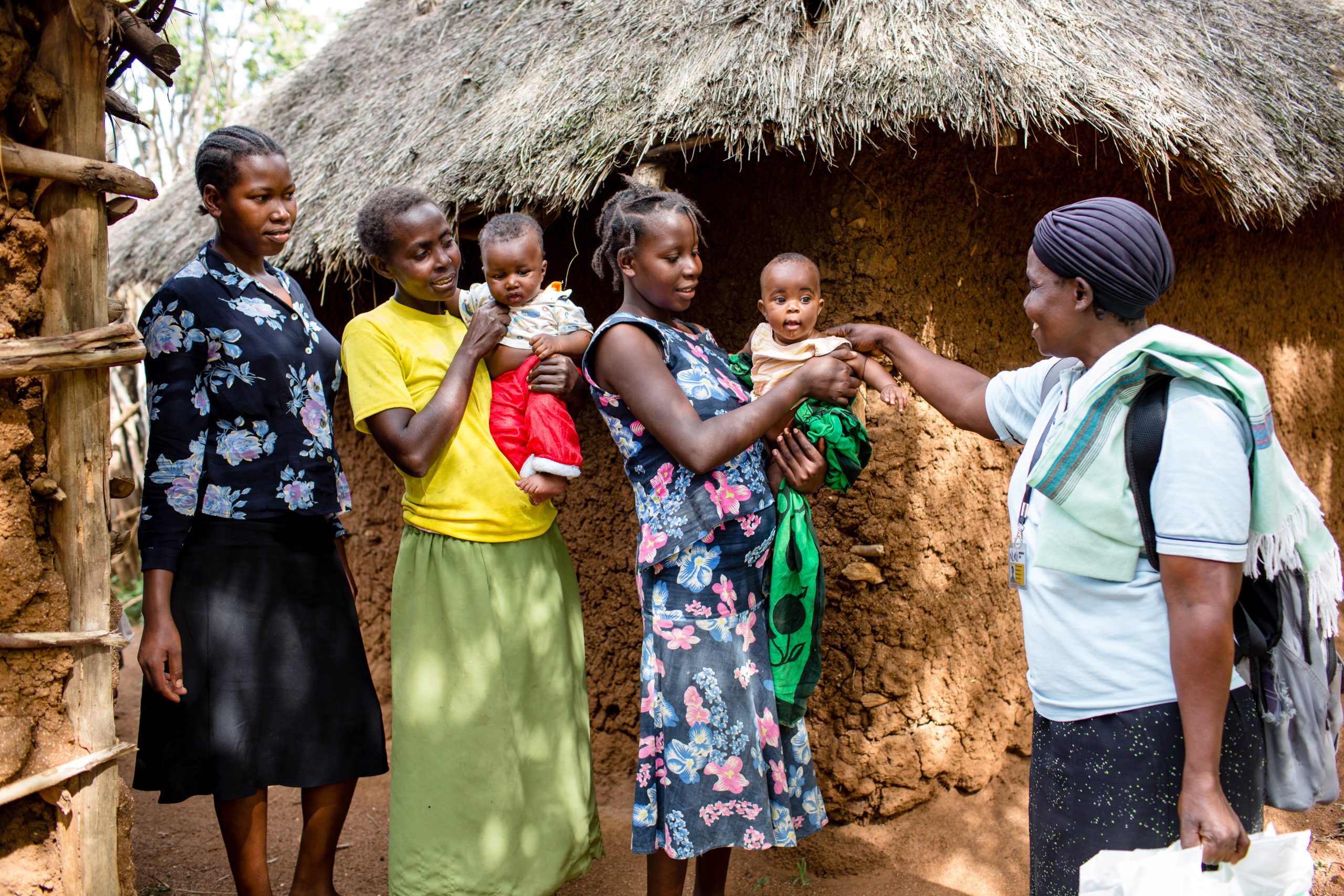
Nuru healthcare field officers with Laura (left) and Janine (right)

Mbuya Mohoyere? That’s “How are you?” in Kikurian – a language that has SO many greetings, that even though I’ve been here four times, I have yet to master them all. I’m grateful to be transitioning with Laura Itzkowitz and to have another opportunity to see just how much things have changed here in Kuria. Here are Laura’s reflections on her time in Kuria:

It’s hard to believe eight months have passed since I arrived in Isibania! I have learned and experienced so much during my time here.  I saw the Community Health Workers (CHWs) improve their home visits and gain acceptance from the community. I learned to speak a tiny bit of Kiswahili and Kikuria. I watched the field managers take on more responsibility and develop into stronger leaders. I laughed with the healthcare team as they played April Fool’s jokes on each other. I worked with the team to develop a beautiful healthy behaviors calendar and shared their excitement when we sold over 200 calendars in September alone. I ate avocados straight from the tree.  I walked house to house, through shambas (farms) filled with maize, watching as CHWs trained community members. I took off my shoes and waded through rivers to reach households on the other side. I shared joy and sorrow as our team experienced births and deaths. I sipped chai (tea with milk) and ate chapatti (a flat bread-like food) while chatting about life, Kenyan politics, and Nuru’s programs. I learned more about myself and how I can be a better manager. I collaborated with health center staff and CHWs to encourage people to attend the biannual immunization, Vitamin A, and deworming campaign. I rode boda bodas (motorbike taxis) on bumpy dirt roads. I slept under a mosquito net every night. I corrected people each time they referred to me as doctor. I learned to answer when someone called me Wegesa, the Kikurian name my team gave me.

Although it’s sad to say goodbye to all of the friends I’ve made in Kenya and with Nuru, I know I’m leaving the healthcare program in good hands. A couple of weeks ago, Janine Brown, one of Nuru’s full-time Healthcare Program Managers, arrived in Kenya to take over the program from me. This month of transition is hectic and crazy, as expected. I’m doing my best to make sure Janine learns everything about the current state of the program while making sure the Kenyan staff has a smooth transition from me to her. The healthcare program has made great progress during my time here and I know that will continue with Janine.

The last time I was here was in March 2010 and I was leaving right before the first week of training for our Community Health Workers. Now that I’m back, I’ve been amazed to see how our CHWs are functioning in the field. Sure we have challenges, and I’m working with Nelly, Pius, Juma, and Joseph (the Program Leader and 3 Field Mangers) to try and create good solutions.

This month we are training our CHWs on Immunization and Newborn Health. Did you know that “3.7 million babies die very soon after birth or within the first month?” We want the mothers and fathers in our community to know how to prevent those needless deaths from happening in their family. We’ve been working on curriculum development, making sure that key messages are communicated well. This is a new skill that the healthcare team is developing, and they are really doing well.  This training is very timely as October 31st marks the beginning of a two week bi-annual campaign called Malezi Bora that the Kenyan government does to get mothers free ANC and children free immunizations, Vitamin A supplements, and more. Our CHWs will be mobilizing the people they visit and others in the community to go to this event and take their children.

The Kuria, Kenya that I left knowing is not the same that I returned to. Yes, there’s still the beautiful shambas, rocks, thunderstorms, and sunsets, but there’s so many new things: new roads, new office buildings for Nuru Kenya staff, new IGAs, a new house on the Nuru compound, and especially a lot of new faces. During the first week here we had a Nuru Field Day, which was incredible! It was a day of fun, laughter, eating, playing and dancing where all Nuru workers gathered. I was truly moved by how many people understand the vision of Nuru and are personally fighting with their lives to end extreme poverty in their community. It really is a beautiful place to live and work, and I’m so grateful to be here working alongside our Kenyan staff.

Posted from Nyanza, Kenya.

A woman in Kuria enjoying Nuru's healthy behaviors calendar

Every time I am in a Kurian home, I enjoy looking at the plethora of calendars decorating the walls. These calendars range from English football teams to bus company advertisements to pictures of babies with hearts surrounding them. Once a calendar is hung on someone’s wall, it usually stays there until it falls apart. I’ve seen calendars that are more than 10 years old still decorating someone’s home. Now there’s a new 2012 calendar to adorn walls throughout Kuria – the Nuru healthy behaviors calendar!

A few months ago Randy Warren, Nuru’s filmmaker extraordinaire, visited Kenya. During his visit he took some amazing photographs of the healthcare field officers and their families demonstrating our key healthy behaviors. We then collaborated with a printing company in Nairobi that specializes in health behavior change communication to design a one-page wall calendar highlighting these pictures.

The healthcare team played a strong role in the design process, giving their feedback on the overall design, wording, and details – suggesting increasing the size of the Nuru logo and changing the background color. The end result is a calendar that everyone on the healthcare team is extremely proud of. The Kiswahili text, starting on the top left, translates to:

  • Make sure children under 1 year old finish all immunizations.
  • Heed advice given by your CHW.
  • Make sure you visit the clinic at least 4 times and deliver in a safe environment.
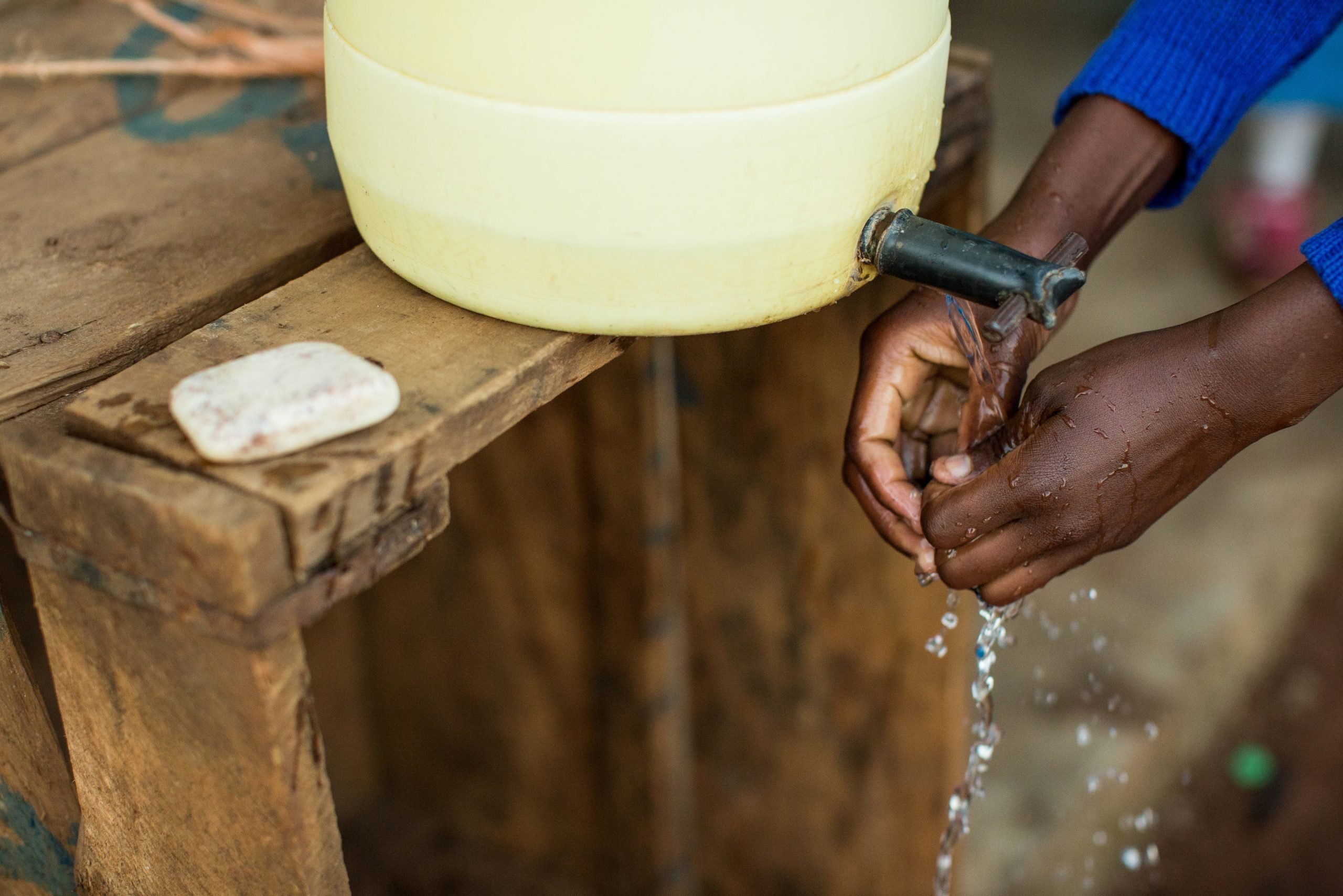
  • Wash your hands with soap.
  • Visit the clinic immediately when you see danger signs.
  • Drink clean water.
  • Make sure you sleep under a treated net – especially pregnant mothers and children under 5 years old.
  • Make sure you give your children nutritious foods, especially for children under 5 years old.
  • Make sure you exclusively breastfeed your child for the first 6 months.

2012 Nuru Healthy Behaviors Calendar

We started selling the calendars last week and demand is already high. Even though 2012 is still 4 months away, Nuru’s Kenyan staff and community members are already clamoring for a Nuru healthy behavior calendar. Our healthcare team meetings have been interrupted at least 7 or 8 times by Nuru staff members from other programs who have seen the calendar and want one of their own.

The healthcare team is very excited that so many people love our healthy behaviors calendar and want it hanging in their homes. Our excitement is doubled by the knowledge that this media campaign will help magnify the impact of our CHWs in helping people lead healthier lives and reducing the under-five mortality rate. The calendar hanging on their wall will serve as a constant reminder to practice these key healthy behaviors. Many other programs have proven that communications campaigns combined with interpersonal communications are extremely effective at spurring behavior change in a community. We’re hoping this calendar will be the first of many media campaigns that will validate and complement the messages that the CHWs are bringing to the community members each month. As people hear the same messages about the same healthy behaviors over and over from a variety of sources, hopefully we will change their knowledge, attitudes, and behaviors so that they are living healthier lives.

Posted from Nyanza, Kenya.

A community health worker (CHW) trains a father at home.

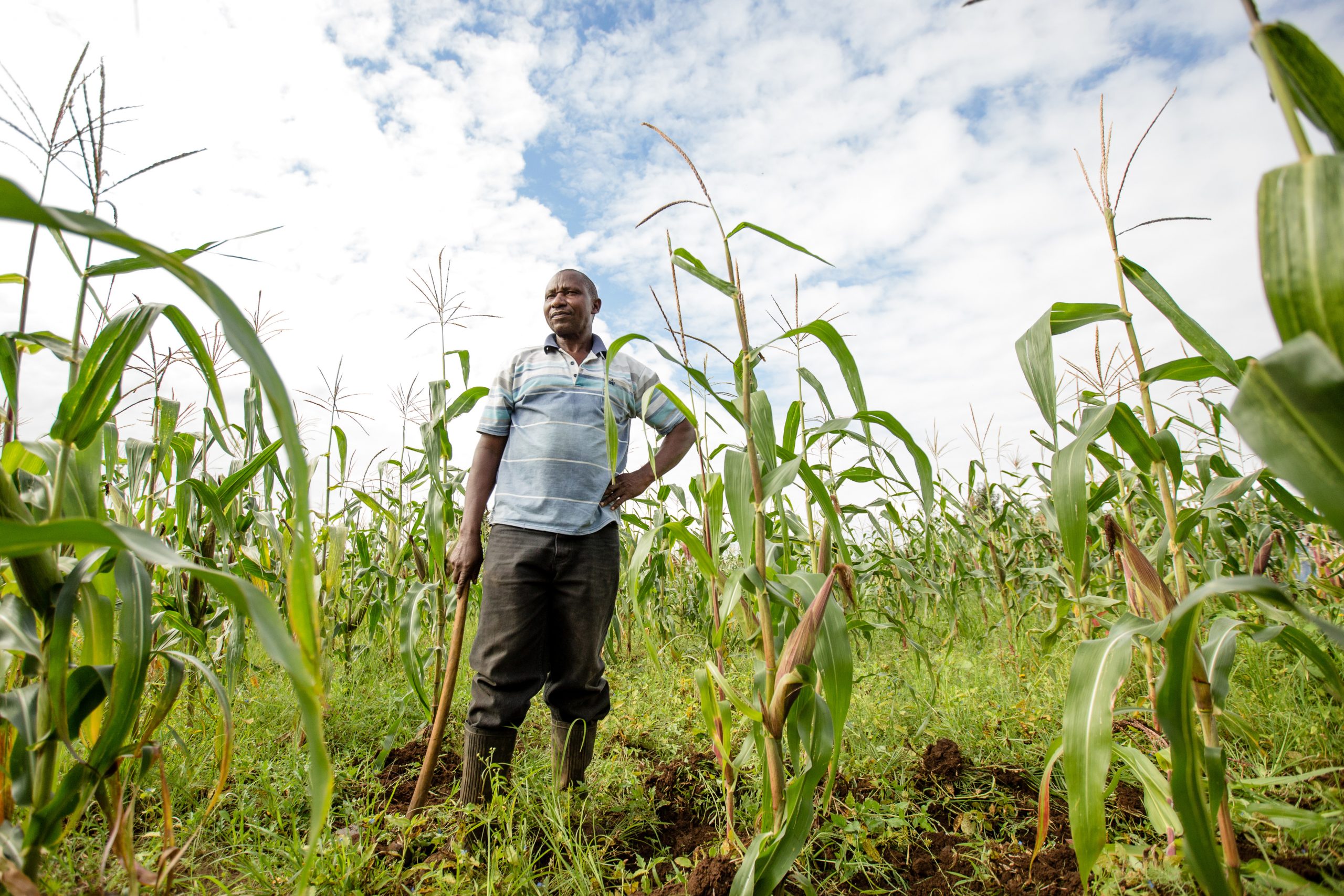
Although Nuru’s healthcare program focuses primarily on maternal and child health, we think it’s extremely important to involve men in all of our programming. In Kuria, Kenya, men are traditionally the primary decision makers. This still holds true in most households. Before getting married, a man has to pay a dowry in cows to his potential wife’s father. The woman’s father can demand as many cows as he wants, essentially setting the “selling price” for his daughter. Sometimes a man will continue paying off his dowry for years after the wedding. Once the couple gets married, the woman almost always moves into at the man’s homestead to live with his family. The husband makes all household decisions and the wife is expected to follow whatever her husband says, whether she agrees with it or not. Marriages without this gender imbalance are rare.

These regimented gender roles mean that a woman is often not allowed to make decisions about her own health or that of her children. This includes important health behaviors like delivering her baby at a health center, vaccinating her children, or using birth control. Since the man controls the household’s money, a woman will sometimes have to wait many hours until he returns home with the necessary cash before she can take their children to the health center when they’re sick. It also means she might not be able to buy the mosquito net that could save her children from malaria or the Water Guard that will protect her family from diarrhea.

With women as the primary caretakers and men as the primary decision makers, both need to understand and prioritize the behaviors that will keep their children healthy and alive. Many established CHW programs specifically recruit female CHWs to train female community members. While this works in some societies, at Nuru we have made a conscious decision to include both male and female CHWs to train men and women in the community. When Nuru’s CHWs visit a house, they try to talk to all adult family members. This often means that a husband and wife receive the same information from the CHW at the same time, giving both an opportunity to choose healthy behaviors for themselves and their children.

Unfortunately, sometimes a father makes a decision that negatively impacts his family, and his wife feels like she cannot defy his decision even if she disagrees. This happened recently when Isire, one of our field officers, came across an extremely undernourished child, not yet two years old, during a home visit.  He urged the mother to rush her son to the health center immediately. The mother complied with his referral. When the nurse explained that the child would need to be admitted for one week, the mother said she needed to talk to her husband first. The health center agreed to waive the 100 shillings per day fee (almost $8 total for the week) because of the family’s financial situation. (Waiving fees is common practice in this area because 100 shillings is a lot of money for a family. It’s the amount one can earn from a full day of work as a day laborer on a farm or in seasonal work; it’s also equal to the full-term public school fees for a primary school student – fees which many families have difficulty paying.) The father refused to allow his son to be treated for free with the therapeutic food needed for survival because he wanted his wife home to cook for him every morning and night. If the mother accompanied the child to the clinic, the father would need to cook for himself. Without treatment, the severe acute malnutrition was sure to kill this little boy.

When Isire returned to the house the following week, he discovered that the child had not received treatment. Isire unsuccessfully tried to convince the father to allow his child to spend a week at the health center. After numerous refusals by the father over the next few weeks, Isire involved the assistant chief of the area. The assistant chief sent a village elder to deliver a letter to the father. The father was quite upset that the assistant chief was requiring him to send his child to the clinic immediately. After an argument with the elder, the father acquiesced. One week later he finally allowed his wife to bring their son to the clinic where he was able to be treated. Thankfully, the little boy has improved immensely from the week of therapeutic food and is almost ready to return home from the clinic.

Stories like this are heartbreaking. It reminds me why our work is so important. While this is an extreme example, it clearly illustrates why we need to make sure our programs work within established societal gender roles. Men need to understand and practice disease prevention behaviors just as much as women do. The more Nuru’s CHWs can increase awareness of how to prevent the diseases and conditions (like undernutrition, pneumonia, and diarrhea) that are killing children in this area, the more children will live to become adults. We need to educate and convince all of the men and women in Kuria that adopting healthy behaviors – like delivering their baby at the clinic, washing their hands with soap, breastfeeding their baby exclusively until it’s 6 months old, and sleeping under a mosquito net – can and will allow their children to live healthy, productive lives.